Within the Aluminum Foundry: Innovations and Processes in Metal Casting
Deep inside the aluminum foundry, a change is in progress. Conventional casting methods are being augmented by contemporary technologies. Processes like sand casting and pressure die casting are progressing, while breakthroughs such as additive manufacturing and automated systems push the frontiers of productivity. Sustainability is growing into a central concern, driving the industry to incorporate environmentally friendly practices. As these changes take shape, one must reflect on the consequences for the future of foundry operations and the industries it benefits.
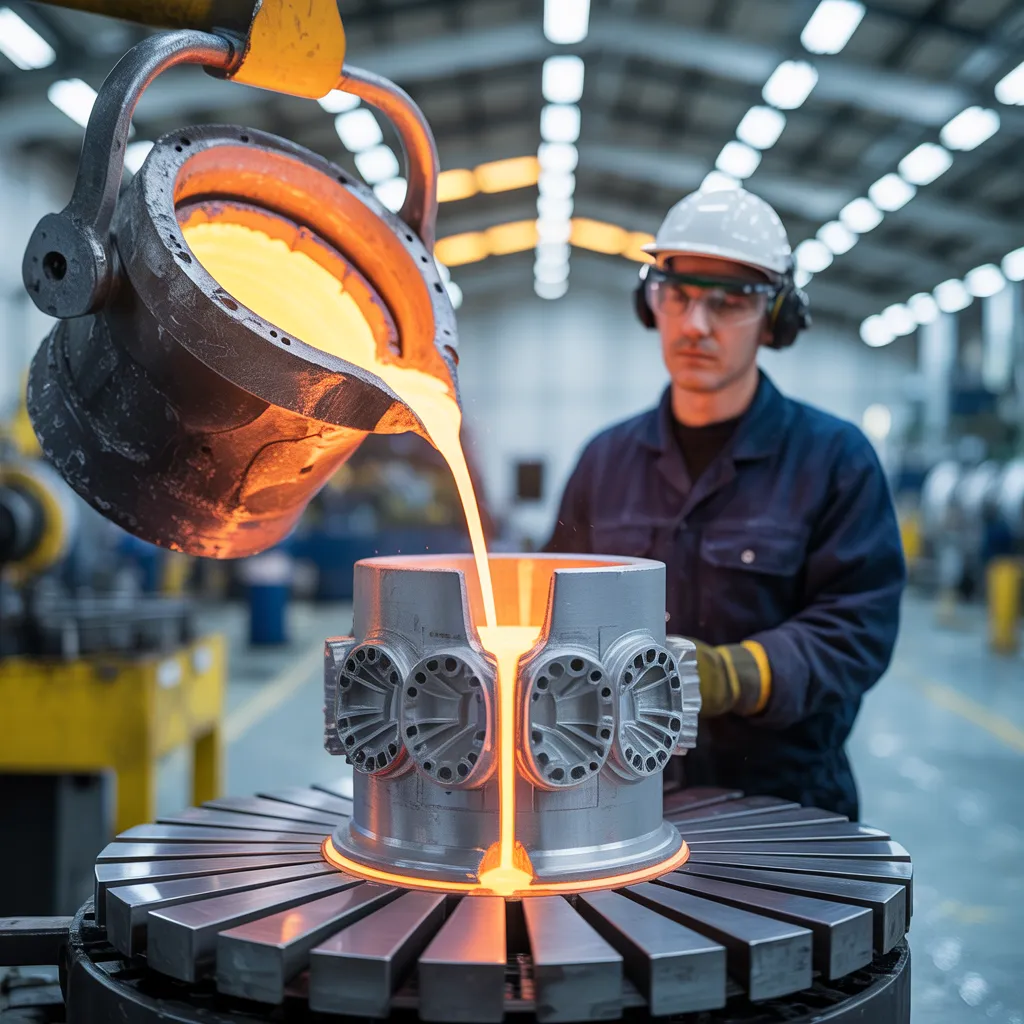
The Core Concepts of Aluminum Casting Processes
Aluminum casting techniques represent a fundamental pillar of modern manufacturing, making possible the development of durable yet lightweight parts. These methods encompass liquefying aluminum and casting it into molds to obtain the required shapes and dimensions. Aluminum's adaptability enables various applications across industries, including consumer goods, automotive, and aerospace.
The primary techniques of aluminium casting include sand casting, die casting, and investment casting, each presenting specific strengths. Sand casting employs a mixture of sand and binder to create molds, whereas die casting utilizes solid metal molds for precision and high-volume production. Investment casting, on the other hand, offers outstanding surface finishes and detailed designs.
Regardless of their distinctions, each approach necessitates careful temperature control and quality management to ensure the integrity of the finished product. As manufacturers continue to innovate, the effectiveness and efficiency of aluminum casting techniques continue to be vital for progressing contemporary engineering innovations.
Core Techniques for Molding and Casting Aluminum
In the domain of aluminum casting, efficient molding and pouring techniques are vital for achieving high-quality outcomes. Sand molding techniques provide adaptability and economic value, while die casting methods guarantee exactness and reliability in output. Comprehending these primary techniques is critical for improving the aluminum casting operation.
Sand Molding Techniques
A number of sand casting techniques are essential to the proper molding and casting of aluminum. These methods chiefly encompass green sand casting, in which a mixture of sand, clay, and water is used to form molds that are flexible yet durable. Additionally, resin-bonded sand molds provide superior strength and surface quality, making them well-suited for elaborate shapes. Another technique, lost foam casting, uses a foam template that vaporizes during the aluminum pouring phase, creating accurate shapes with minimal machining required. Every method provides specific advantages, such as greater cost efficiency or enhanced detail, giving foundries the ability to choose the most suitable method relative to production specifications and the level of detail of the aluminum parts being produced.
Die Casting Approaches
Die casting techniques serve as a fundamental component of aluminum manufacturing, delivering exactness and productivity in production. This process involves forcing molten aluminum into a metal die under high pressure, allowing for intricate designs and tight tolerances. Two primary techniques dominate the industry: hot chamber and cold chamber casting methods. Hot chamber die casting works best for alloys that melt at lower temperatures, as it minimizes metal exposure to air. Conversely, cold chamber die casting excels with high-melting-point alloys, requiring separate melting and injection systems. Both techniques ensure fast manufacturing cycles, minimizing material loss and improving dimensional precision. As industries increasingly demand lightweight components, these casting methods keep advancing, incorporating cutting-edge innovations to address contemporary production demands.
Emerging Technologies in Aluminum Casting
As advancements in materials science keep advancing, aluminum casting is being revolutionized driven by innovative technologies. A key advancement includes the incorporation of 3D printing, which enables the rapid creation of complex molds and cores, considerably lowering lead times and costs. Furthermore, the use of advanced simulation software allows foundries to optimize casting processes, decreasing defects and boosting material yield.
One additional groundbreaking technology encompasses the implementation of robotic automation, which enhances precision and efficiency in processing materials and carrying out repetitive tasks. Furthermore, the deployment of real-time monitoring systems powered important guide by IoT devices facilitates better quality control by providing immediate feedback on process parameters.
These advancements not only simplify processes but also improve the overall standard of aluminum castings, setting the industry up for future expansion and competitiveness. As these advancements become more widely accepted, they hold the potential to substantially redefine the aluminum casting landscape.
How Aluminum Casting Can Achieve Sustainability
Given that the aluminum casting industry is under growing demands to embrace eco-friendly operations, several strategies are emerging to address environmental concerns. A particularly notable method involves the enhanced recycling of aluminum, which drastically reduces energy consumption and greenhouse gas emissions compared to primary production. By incorporating reclaimed aluminum, foundries can minimize waste and lower their carbon footprint.
Moreover, many foundries are embracing energy-efficient technologies, such as improved insulation and electric furnaces, to minimize energy consumption during the casting and melting process. The integration of closed-circuit water systems also assists in reducing water waste, a key resource in manufacturing operations.
Additionally, implementing green materials and processes, featuring eco-conscious binders and low-emission surface treatments, advances a more sustainable production process. These measures not only satisfy ecological standards but also satisfy the growing market demand for responsible manufacturing practices, establishing the aluminium casting sector as a proactive contributor in sustainable development.
Boosting Efficiency With Technology in Aluminum Foundries
The adoption of technological advancements in aluminum foundries is instrumental in enhancing operational efficiency. Automated systems simplify operations, while intelligent monitoring solutions offer immediate visibility into manufacturing performance indicators. Additionally, advanced analytics platforms enable foundries to optimize performance and reduce waste, fostering advancement across the sector.
Automation in Metal Casting
How can automation transform the landscape of aluminum foundries? Automation brings cutting-edge technologies that simplify processes, significantly improving operational efficiency. By integrating robotics and automated machinery, foundries can achieve precise material handling and reduce human error during casting operations. This change not only boosts production rates but also secures reliable quality in finished goods. Automated systems are capable of handling tasks like mold preparation, pouring, and cooling, enabling skilled workers to concentrate on more demanding challenges. Furthermore, data-driven analytics can refine production schedules and resource distribution, further increasing output. The implementation of automation promotes a safer workplace by reducing manual labor hazards, ultimately enabling aluminum foundries to address growing market demands with flexibility and dependability.
Intelligent Monitoring Solutions
Transforming the working environment of metal casting operations, intelligent monitoring solutions utilize instantaneous data to improve operational efficiency. These advanced systems incorporate sensors and IoT technology to consistently track essential metrics such as temperature, pressure, and material flow. By offering immediate operational data, they enable operators to make informed decisions, spotting emerging issues before they develop into major concerns. This preventive methodology limits operational disruptions and cuts waste, resulting in significant cost reductions. Moreover, intelligent monitoring platforms enhance resource management by analyzing usage patterns and optimizing processes. As a result, metal casting facilities can produce superior results while maintaining sustainable practices, positioning themselves competitively in an increasingly demanding market. Such technological adoption represents a major advancement in foundry innovation.
Data Analytics Applications
Expanding upon the progress in advanced monitoring technologies, data analytics platforms are reshaping aluminum foundries by leveraging extensive operational data. These applications enable foundries to analyze production trends, identify inefficiencies, and predict equipment failures before they occur. By employing machine learning algorithms, foundries can refine smelting operations and improve alloy formulations, producing elevated output standards. Moreover, data analytics facilitates real-time decision-making, permitting staff to fine-tune variables instantly and minimize material loss. Adopting predictive analytics assists in coordinating upkeep, thus reducing operational interruptions. Ultimately, data analytics not only streamlines operations but also fosters a culture of ongoing advancement, steadily enhancing financial performance and environmental responsibility within the aluminum casting industry.
Emerging Trends in Aluminum Casting Operations
Across the swiftly transforming domain of industrial production, a substantial transition is occurring in aluminum casting processes. Industry participants are continually incorporating sophisticated technological solutions such as machine learning, automation, and artificial intelligence to enhance efficiency and precision. These developments allow for real-time monitoring of casting processes, facilitating swift adaptations and limiting production flaws.
Sustainability is another essential trend; foundries are embracing environmentally conscious practices, including recycling scrap aluminum and reducing energy consumption. Additive manufacturing approaches are also becoming increasingly popular, enabling the production of complex geometries that traditional methods cannot achieve.
Moreover, the need for lightweight materials in automotive and aerospace sectors is pushing the progression of superior aluminum alloys. As these forces come together, the aluminum casting sector is on the brink of a period of significant change, characterized by increased competitiveness and a emphasis on sustainable practices.
Commonly Asked Questions
What Safety Measures Are Essential in Aluminum Foundries?
Critical safety practices in aluminum foundries involve adequate ventilation systems, appropriate personal protective gear (PPE), regular equipment maintenance, instruction in emergency response protocols, and compliance with safety guidelines to ensure worker wellbeing and minimize workplace accidents.
How Do Temperature Fluctuations Affect Aluminum Casting
Temperature inconsistencies are known to cause non-uniform cooling rates in the aluminum casting process, producing defects including distortion or fracturing. Keeping temperatures stable is necessary for ensuring even solidification and optimal mechanical characteristics in the end product.
What Defects Are Commonly Found in Aluminum Castings?
Common defects in aluminum castings encompass porosity, shrinkage, misruns, cold shuts, and inclusions. These problems occur from factors like improper temperature control, insufficient mold configuration, and contamination, ultimately affecting the integrity and functionality of the castings.
How Is Quality Control Preserved in Aluminum Foundries?
Aluminum foundries maintain quality control through comprehensive inspection methods, conformance to established industry standards, consistent equipment calibration, and constant monitoring of casting parameters, securing consistency and eliminating defects throughout the entire production process.
What Certifications Do Aluminum Foundries Commonly Need?
Aluminum foundries typically require certifications such as ISO 9001 for quality management, ISO 14001 for environmental management, and specific industry standards like ASTM or SAE to ensure adherence to quality and safety requirements in aluminum casting operations.