Within a Casting Foundry: The Core of Metal Manufacturing
Within a foundry operation, processes unfold that are vital to the manufacturing of metals. Melting furnaces turn alloys into liquid metal, while skilled laborers handle complex molding systems. Automated systems serve a critical function, boosting productivity and sustainable practices. Still, the sector faces significant hurdles that could shape its trajectory ahead. Analyzing these elements reveals more than just production; it highlights a sophisticated balance of established practices and modern advancements. What the future holds for this fundamental industry?
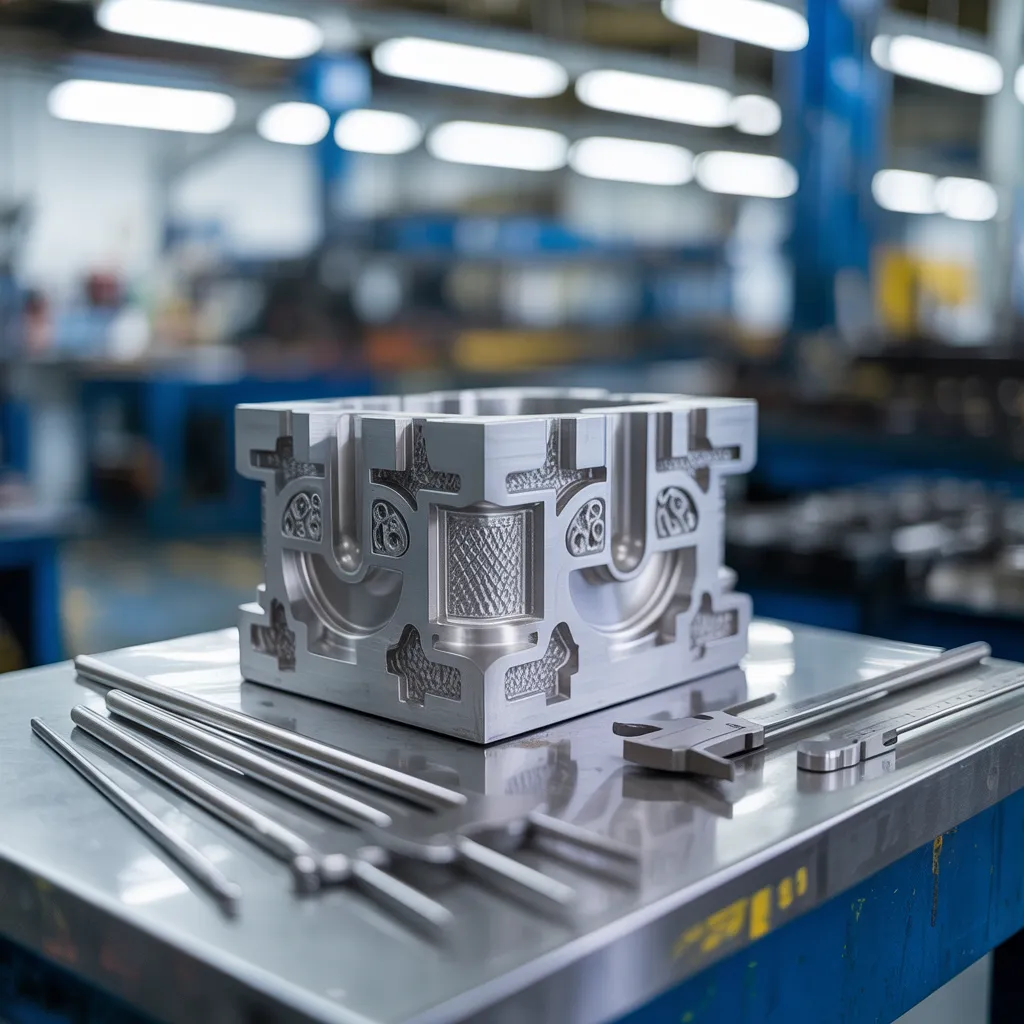
An Introduction to Metal Casting
Metal casting acts as a core process in industrial production, converting liquid metal into solid shapes. This technique has been employed for centuries, permitting artisans and manufacturers to craft components with detailed shapes and exact dimensions. The technique commences with identifying suitable metal alloys, which are afterward heated and melted at high temperatures.
When molten, the metal is cast into molds created to form the final product. These casting molds can be constructed from several material types, including ceramic, sand, and metal, according to the required specifications and production volume.
Once the metal has cooled and solidified, the mold is removed, uncovering the cast object. This process delivers significant advantages, such as decreased material waste and the capacity to manufacture elaborate shapes that would be challenging to achieve through conventional manufacturing processes. Grasping these fundamentals is essential for understanding the importance of metal casting in contemporary manufacturing.
Core Processes in Metal Casting: Melting, Molding, and Refinement
The art of metal casting unfolds through three critical processes: melting, molding, and refinement. To begin, raw metal is subjected to intense furnace heat until it becomes fully molten, allowing for easier manipulation. This melting stage is essential, as it directly influences the quality of the end result.
Next, the molten metal is directed into casting molds, which form it into specific forms. The selection of molding material—including options such as sand, metal, or ceramic—impacts the casting's surface finish and dimensional precision.
In the final stage, refinement encompasses allowing the cast metal to cool and solidify, followed by procedures including heat treatment, machining, or polishing to strengthen its mechanical qualities. This step confirms the finished product satisfies precise specifications and quality standards. Every one of these steps is vital, supporting the overall productivity and quality of metal casting, ultimately leading to superior components serving a wide range of industries.
Progress in the Contemporary Foundry Industry
As the foundry industry evolves, new developments are transforming conventional methods, improving productivity and environmental responsibility. Technological progress, including 3D printing, are overhauling how molds are produced, enabling intricate designs and shorter production timelines. This technique not only cuts down on waste but also promotes personalization, addressing individual client requirements with greater precision.
Additionally, the incorporation of automation and robotics optimizes processes, increasing productivity and reducing human error. Smart manufacturing technologies, including IoT sensors, deliver instantaneous data analysis, enabling detailed oversight of operations alongside predictive maintenance.
In addition, eco-friendly materials and techniques are increasingly being adopted, decreasing the environmental effects of foundry operations. The adoption of repurposed metals and low-energy smelting systems reflects a transition towards more environmentally responsible operations, supporting global green initiatives. These breakthroughs jointly support a more forward-thinking and conscientious metalworking industry, prepared to address emerging challenges while responding to the shifting expectations of the sector.
What Obstacles Do Casting Foundries Encounter?
What difficulties do casting foundries experience in an constantly changing industry? A major concern is the volatility of raw material prices, which can greatly affect production budgets. Moreover, environmental regulations are getting progressively stricter, requiring foundries to adopt cleaner technologies to lower emissions and reduce waste. This change necessitates significant capital investment, which can strain smaller operators.
Furthermore, competition from overseas manufacturers frequently results in pricing challenges, creating obstacles for home-based foundries to sustain profit margins. These facilities also struggle with adapting to swift advances in technology, including digitalization and automated processes, which demand persistent investment and skills development.
Finally, supply chain challenges, made worse by worldwide events, present an ongoing risk, disrupting the on-time delivery of materials and components. In combination, these difficulties necessitate metal casting operations to become adaptable and forward-thinking to thrive in a challenging industry landscape.
The Importance of Skilled Workers in Casting Foundries
While automation and technology continue to reshape the industrial sector, skilled workers continue to serve as a foundation in metal casting facilities. The complex character of metal casting demands a level of expertise that automated systems cannot fully achieve. Experienced professionals have the capability to interpret complex designs, identify the right materials, and troubleshoot issues that arise during the production cycle. Their real-world knowledge is indispensable for ensuring quality control and precision, most critically in complex undertakings that require precise measurements.
In addition, qualified workers play an essential role in overseeing and improving equipment, guaranteeing that production operates seamlessly and effectively. As casting methods develop, Metal Foundry these workers are also tasked with adapting and refining techniques, integrating new technologies while retaining traditional craftsmanship. In this dynamic environment, the collaboration between experienced workers and technological progress is essential for maintaining the standards and dependability that characterize thriving casting foundries.
Emerging Trends in Casting: What Does the Future Hold for the Industry?
Emerging trends in the casting field are ready to redefine its future, propelled by innovations in technology and evolving market demands. Artificial intelligence and automation are continuously improving production processes, enhancing precision and minimizing workforce costs. In addition, the incorporation of 3D printing is revolutionizing mold creation, enabling greater design complexity and shorter production timelines.
Sustainability is becoming a focal point as organizations work to lessen their ecological footprint. This includes using recycled materials and developing energy-efficient practices within foundries. Moreover, the rising demand for lightweight materials, notably in the automotive and aerospace fields, is spurring new innovations in alloy formulation.
The industry is also witnessing a shift towards digitalization, as IoT technologies facilitate instantaneous tracking and anticipatory upkeep. As these developments align, the casting industry is likely to experience considerable advancements, preparing itself to handle the demands of an evolving worldwide environment.
Frequently Asked Questions
What Kinds of Metals Are Typically Cast in Foundries?
Frequently cast metals in foundries consist of aluminum, iron, steel, bronze, and brass. Each metal possesses unique properties, making them suitable for various applications, ranging from automotive parts to ornamental pieces, demonstrating the adaptability of casting processes.
How Does Metal Casting Impact the Environment?
The metal casting process impacts the environment through energy consumption, waste generation, and emissions. Such operations may result in both air and water contamination, while also consuming considerable resources, prompting the need for eco-friendly practices and technologies in the industry.
What Safety Measures Are in Place for Foundry Workers?
Foundries implement a range of safety measures, including protective gear, air circulation systems, regular training sessions, and strict adherence to established safety standards. These measures are designed to limit potential dangers and ensure a safe working environment for every worker.
How Are Casting Defects Identified and Corrected?
Defects in castings are recognized via visual reviews, dimensional measurements, and non-destructive analysis methods. Corrections involve modifying procedures, fixing flaws, or repeating the casting process as needed to guarantee quality and adherence to specifications.
What Is the Typical Production Timeline for a Casting?
A standard production schedule for a casting includes multiple stages: pattern creation, mold making, pouring, cooling, and finishing. This procedure generally spans from several days to a few weeks, according to complexity and production volume.